

By Aksana Tupalskaya | August 17, 2026
Quick Answer
Should you let a non-veteran buyer assume your VA loan on Oahu?
Yes, if the sale price and speed matter more to you than keeping your VA entitlement free right away. Any financially qualified buyer can assume a VA loan, veteran or not, but if the buyer isn’t VA-eligible, your entitlement stays tied to that loan until it’s paid off in full, which means you can’t use it to buy your next home with a VA loan in the meantime. Many sellers prefer a VA-eligible buyer for exactly that reason, but a non-veteran buyer with cash to cover the gap and a genuine interest in the low rate can still be the stronger offer.
What the Numbers Actually Show
| Buyer Type | Effect on Your VA Entitlement | Source |
|---|---|---|
| VA-eligible buyer assumes your loan | Entitlement restored once the assumption completes | My Loan Assumption Guide, 2026 |
| Non-veteran buyer assumes your loan | Entitlement stays tied to the loan until it’s paid off in full | My Loan Assumption Guide, 2026 |
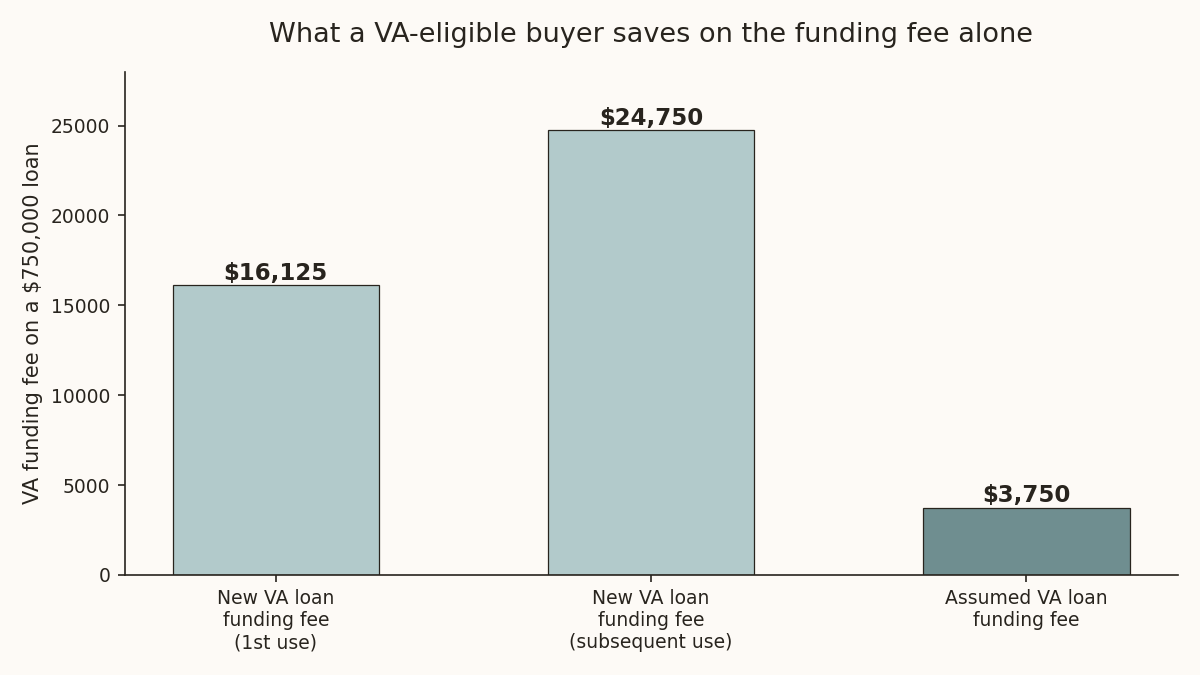
| Funding fee a VA-eligible buyer pays to assume vs. originate new (on $750,000) | $3,750 assumed vs. $16,125-$24,750 new | My Loan Assumption Guide, 2026 |
What this tells me as the numbers agent for Oahu sellers: a VA-eligible buyer is the cleaner outcome for your entitlement, but ruling out every non-veteran buyer can mean turning down your strongest offer.
Why sellers list an assumable loan at all
An assumable VA loan is a genuine selling point in a high-rate market. Buyers can take over your existing rate and remaining term instead of qualifying for a new loan at today’s rate, which often means real monthly savings for them, and that savings can translate into a stronger offer, a faster sale, or both for you. It’s one of the few features on a listing that a seller controls but a rate environment creates.
The trade-off lives entirely in what happens to your entitlement, not in the sale itself. The sale price, the buyer’s financial qualification, and the closing timeline work the same either way. What changes is whether you walk away able to use a VA loan again right away.
What actually happens to your entitlement
If the buyer has VA benefits and assumes the loan, your entitlement is restored once the assumption completes, the same as if the loan had been paid off through a refinance. If the buyer doesn’t have VA benefits, your entitlement remains tied to that property’s loan for as long as it exists. That doesn’t stop you from buying another home in the meantime. It means you’d be buying it without your VA entitlement available, so you’d be relying on conventional or other financing for your next purchase until the assumed loan is paid off.
For sellers who already know they’re not planning to use a VA loan again soon, whether they’re moving to a home they’ll pay cash for, relocating out of state, or simply done using VA benefits, this trade-off often doesn’t matter much in practice. For sellers who expect to buy again with a VA loan within the next few years, it’s worth weighing seriously before accepting an offer from a non-VA buyer.
How to weigh a non-veteran buyer’s offer
Ask what the offer actually gets you. A non-veteran buyer with strong cash reserves to cover the gap between your loan balance and the sale price, and a genuine motivation to lock in your rate, can be just as strong as a VA-eligible buyer’s offer, sometimes stronger if it comes in at a higher price or with a faster close. The entitlement trade-off is real, but it’s not automatically a reason to turn down the offer. It’s a factor to run against your own plans for the next few years, the same way you’d weigh any other contingency.
Frequently Asked Questions
Can I refuse to let a non-veteran assume my VA loan?
The assumption still requires lender approval regardless of buyer type, so you’re not obligated to accept any specific offer. But if a non-veteran buyer is otherwise well-qualified, declining solely because of entitlement can mean passing on your best offer.
How long does my entitlement stay tied up?
Until the assumed loan is paid off in full, refinanced by the new owner, or assumed again by a VA-eligible buyer down the line. There’s no fixed timeline; it depends on what the buyer does with the loan after closing.
Does a non-veteran buyer pay a different funding fee?
No. The 0.5% assumption funding fee applies to the loan regardless of the buyer’s veteran status. What changes is what happens to your entitlement afterward, not the buyer’s cost to assume.
Want the full breakdown of what an assumable loan does for your sale price and timeline? Get the free Loan Assumption Guide here.



